Energy-Efficient Remodeling: Insulation, AC & Windows in FL
In Florida, energy efficiency is not an abstract virtue — it is the difference between an air conditioner that hums quietly through August and one that runs flat-out all day while the electric bill climbs. Most of the homes we remodel were built when electricity was cheap and building science was an afterthought: minimal insulation, leaky ducts in blazing attics, single-pane glass facing west. A remodel is the moment to fix all of it at once. Here is where energy-efficient remodeling delivers real returns in the Florida climate.
Understand the Enemy: Heat Gain and Humidity
Northern homes fight to keep heat in; Florida homes fight to keep it out — and to wring moisture from the air. Three paths dominate heat gain: the roof and attic baking above the ceiling, solar radiation pouring through glass, and outside air leaking in through gaps and ducts, carrying humidity with it. An effective efficiency retrofit attacks all three, in the order that pays best.
The Attic: Highest Return per Dollar
A Florida attic can exceed 130°F on a summer afternoon, separated from your living room by a few inches of compressed, decades-old insulation. Priorities:
- Insulation to modern levels. Topping up blown insulation to current Florida Energy Code levels is one of the cheapest, fastest-payback upgrades in the entire remodel.
- Air sealing first. Sealing ceiling penetrations — can lights, chases, top plates — before adding insulation, because insulation does not stop airflow.
- Radiant barriers and ventilation. Foil-faced barriers under the roof deck and proper soffit-to-ridge airflow knock attic temperatures down meaningfully.
- Ducts out of the heat. Where remodel scope allows, moving or burying ductwork in insulation stops the absurdity of chilling air in a 130° oven.
If your project includes a new roof — common in older-home remodels — that is the moment to consider a sealed or upgraded attic assembly altogether.
Air Conditioning: Size It Right, Then Buy Efficiency
The instinct is to buy a bigger AC. The physics say otherwise: an oversized system short-cycles, cools the air without running long enough to dehumidify it, and leaves the house cold-but-clammy. The right sequence in a remodel:
- Reduce the load first (insulation, glass, sealing), then size the equipment to the improved house with a proper load calculation.
- Choose high-SEER2, variable-speed equipment. Variable-speed compressors and air handlers run long, low, and quiet — superb dehumidification and lower bills.
- Seal or replace the ductwork. Leaky ducts waste a significant share of cooling and pull humid attic air into the system; sealed, tested ducts are transformative in older homes.
- Zone the home so bedrooms and living areas hold different setpoints without fighting.
Paired with smart thermostats and humidity control, a well-designed system keeps indoor humidity in the healthy range — which also protects millwork, art, and the wood floors your remodel just installed.
Windows and Doors: Efficiency and Hurricane Protection in One
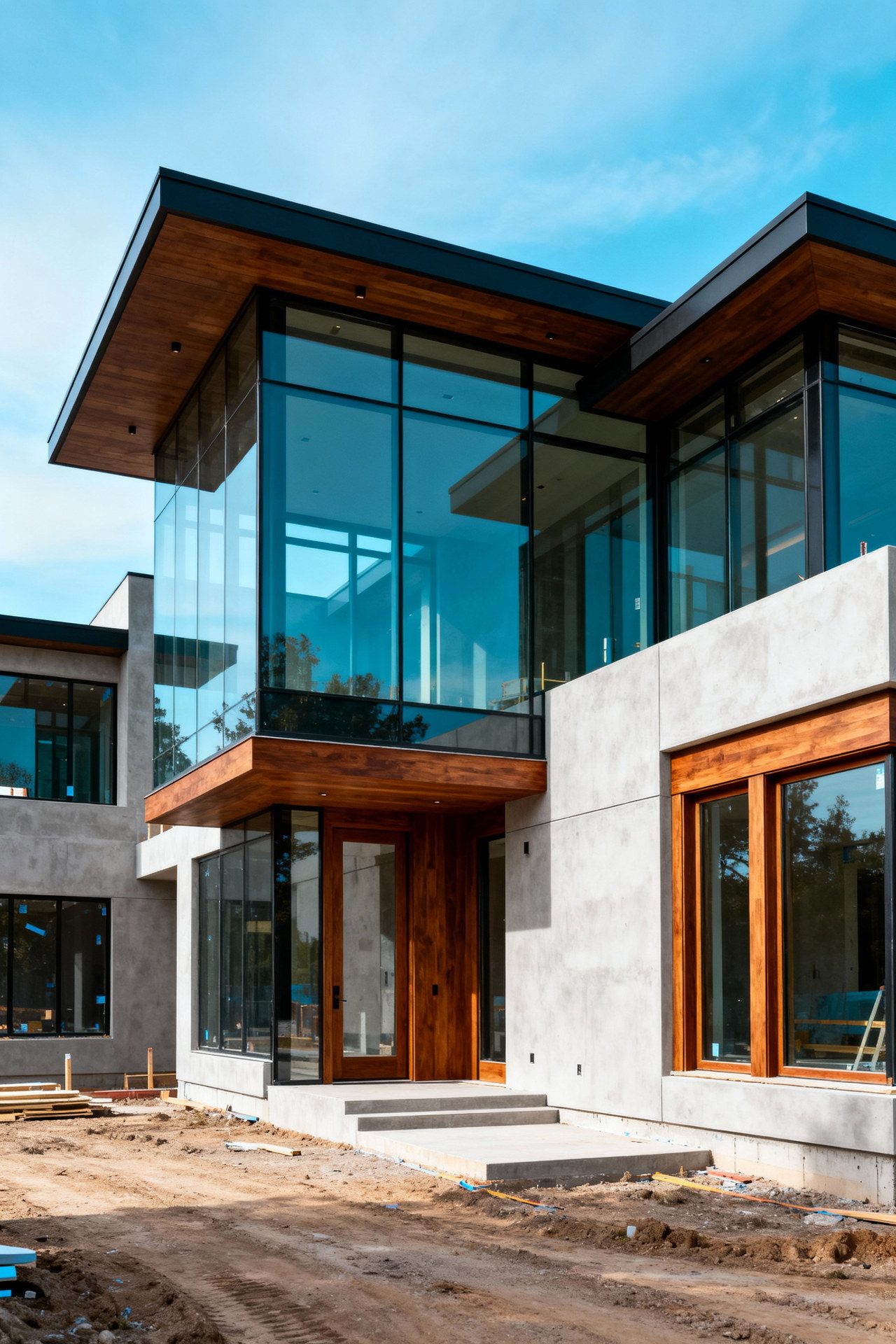
Old single-pane sliders are the worst of both worlds — heat gain in summer, zero storm protection year-round. Modern low-E impact windows solve both at once: laminated insulated glass with low-E coatings blocks a large share of solar heat gain while meeting Florida Building Code and HVHZ impact requirements. West- and south-facing glass walls benefit most, and motorized shades or deep overhangs designed into the remodel multiply the effect. The insurance credits from impact protection stack on top of the energy savings — a rare double payback covered in wind mitigation inspections.
Water Heating, Lighting, and the Long Tail
The remaining wins are smaller individually but add up: heat-pump water heaters (superbly efficient in warm garages), LED lighting throughout as part of the lighting design, ENERGY STAR appliances in the new kitchen, recirculation loops that stop running water down the drain while waiting for hot, and pool pumps upgraded to variable-speed — often the quietest big saving on the property. If you are adding square footage, an efficiently built home addition should outperform the original house from day one, not inherit its problems.
Sequencing Efficiency Into the Remodel
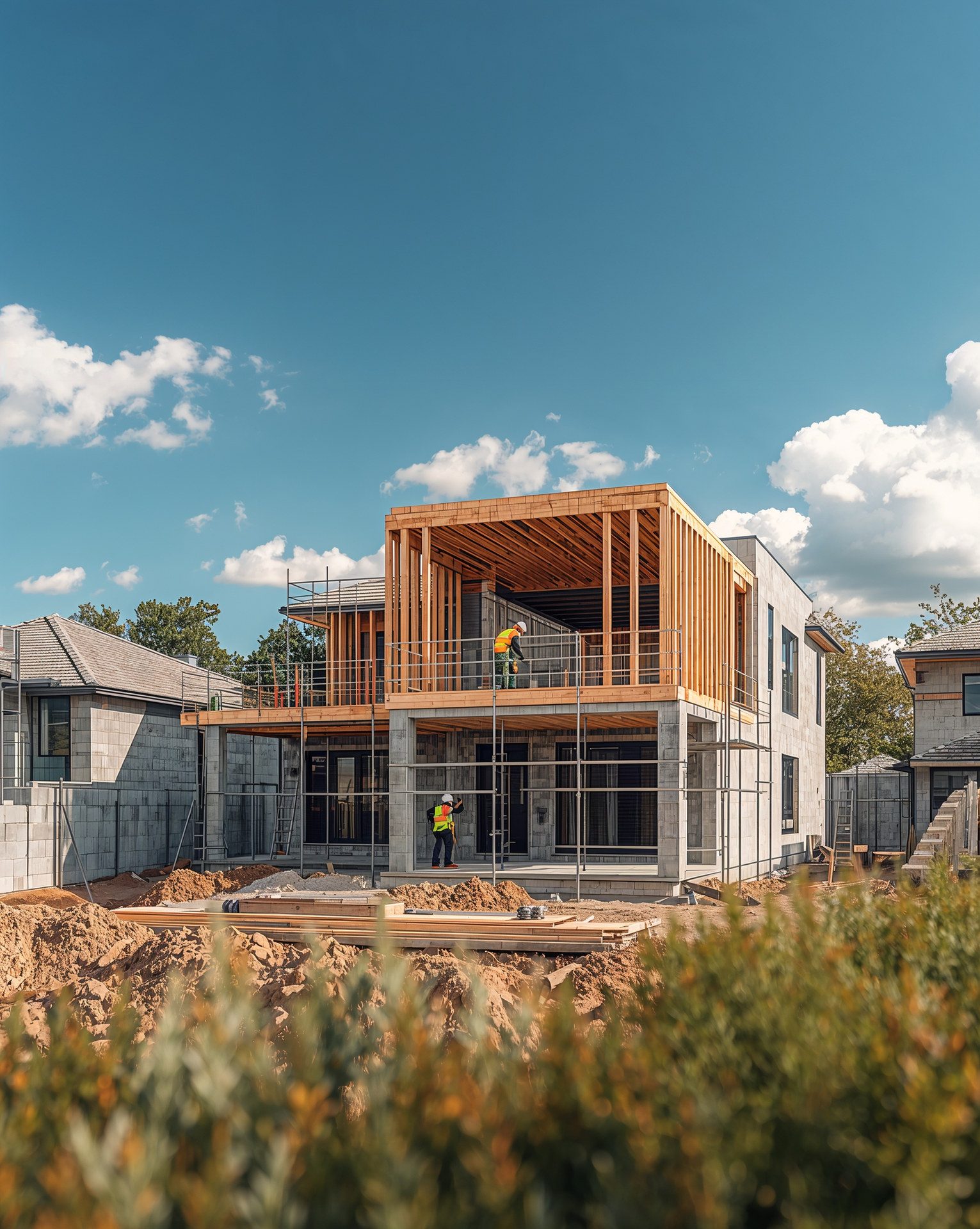
Efficiency work is cheapest when bundled: insulation goes in after rough-ins and inspections, duct routing is decided with the ceiling design, and window openings are flashed and finished once. This is the design-build advantage — envelope, mechanicals, and architecture planned as one coordinated project instead of retrofit layers. The result is a home that is quieter, drier, healthier, and noticeably cheaper to run — every month, permanently.
Work With Xpert Construction Group
Xpert Construction Group builds luxury remodels engineered for the Florida climate — licensed and insured, CRC 1335930. Contact us for a free consultation and an efficiency-minded plan for your home.
Plan Your Project With Florida's Luxury Construction Experts
Licensed & insured (CRC 1335930), 25+ years of experience, design-build delivery. Get straight answers and a clear plan.
Schedule a Free Consultation